Gin Botanicals
In the world of gin, the word botanicals has become synonymous with quality, authenticity, and creativity. The international term “botanical” is commonly used to describe the aromatic plants employed in gin production.
From juniper berries to exotic spices, alpine flowers, and citrus peels, the term botanicals refers to a collection of plants, herbs, spices, and roots that, through their inclusion, give gin distinctive flavors, aromas, color, and character.
The selection of botanicals is often the result of in-depth research and long-standing family tradition, especially in Italian distilleries, where the bond with the territory plays a fundamental role.
Another essential element in gin production is water: the use of high-quality water contributes decisively to the aromatic profile and purity of the final product.
Understanding the botanicals used—the famous gin botanicals—means immersing oneself in the heart of gin craftsmanship, where tradition, terroir, and innovation coexist in perfect balance. A high-quality gin label highlights the origin of the botanicals and their uniqueness on the market, reinforcing the product’s identity.
Each botanical has both a scientific and a common name, and the wide variety of products available reflects the richness of the plants used.
In this guide, we explore what botanicals in gin are, which are the most important, and how excellence-driven distilleries such as Roner transform them into true masterpieces of flavor.

Botanicals in Gin
Botanicals define the aroma, flavor, and character of gin.
Juniper is legally required and represents the dominant element.
Gin botanicals include spices, citrus fruits, herbs, roots, and flowers.
The use of local botanicals makes it possible to create territorial and truly unique gins.
Roner enhances alpine and Mediterranean botanicals, combining tradition and innovation.
The color, aromas, and flavors of gin are strongly influenced by the choice and combination of the botanicals used.
Research and careful study in selecting botanicals are essential to achieve high-quality gins and innovative aromatic profiles.
What Exactly Are Botanicals?
Botanicals represent the aromatic essence of gin: natural ingredients such as berries, seeds, flowers, herbs, and roots that, when macerated or distilled together with alcohol, give the spirit its organoleptic profile.
Juniper remains the absolute protagonist, but it is the harmony among the other botanical elements that makes each gin unique.
Among the most common techniques are cold maceration, vapor infusion, and distillation in traditional stills. Each method influences the final result, enhancing fresh, resinous, citrusy, or spicy notes.
The result is a world of aromatic nuances that guides the consumer on a complex and fascinating sensory journey.
Main Gin Botanicals: The Role of Juniper
The most widely used botanicals in gin production include:
Juniper – resinous, balsamic, fresh
Coriander – citrusy, spicy, slightly sweet
Lemon and orange peels – freshness and vibrancy
Grapefruit – fresh citrus notes that enrich the aromatic profile
Angelica root – structure and depth
Orris root (iris root) – floral elegance and dry notes
Cardamom, cassia, licorice – spice, warmth, and sweetness
Cinnamon – warm, spicy aromas that enhance both nose and palate
Ginger – freshness and a lively aromatic touch, often used for its therapeutic properties
Cocoa (Theobroma cacao beans) – warm, enveloping notes; cocoa has strong historical and cultural significance, having been used since ancient times by pre-Columbian civilizations
Aromatic herbs and flowers – complexity and delicacy
These elements create the perfect balance between a classic foundation and the distiller’s personal signature, giving gin a recognizable sensory identity.
Unique Botanicals in Gin
Beyond traditional botanicals, many gins focus on local or rare ingredients to create identity and storytelling. Typical examples include mountain botanicals, alpine floral essences, wild berries, and native citrus fruits.
The harvesting and use of certain botanicals often follow family traditions passed down through generations, reinforcing a strong connection to heritage and shared values.
A territory particularly renowned for gin production using native botanicals such as Genepì is the Aosta Valley. This region stands out for the cultivation and use of prized alpine plants, underlining its importance as a source of botanical excellence. The scientific name of Genepì is Artemisia genipi, one of the most appreciated species for infusion in spirits.
In the case of premium distillates such as those by Roner, exclusive botanicals include:
Swiss pine cones (Pinus cembra) harvested in the mountains of South Tyrol
Alpine yarrow (Achillea alpina), an aromatic herb with balsamic notes
Mediterranean orange peels for a sunny, citrusy touch
The integration of local botanicals allows gin to tell the story of a territory—in Roner’s case, the extraordinary nature of South Tyrol, with its Swiss pine forests, fragrant orchards, and alpine flowers.
The Gin Botanical Production Process
Producing high-quality botanical gin is a journey that begins in nature and ends in the glass, involving a series of carefully considered choices and steps.
It starts with the selection of botanicals: juniper, coriander, basil, orange peel, and lemon peel are just some of the ingredients that, when expertly combined, create a distillate rich in aromas and flavors.
The choice of botanicals is never random. Each ingredient is evaluated for origin, freshness, and aromatic intensity to ensure the highest quality. Juniper, the essential base element, is paired with citrus fruits such as orange and lemon to add freshness and vibrancy, while coriander and basil contribute spicy and herbal nuances.
At the heart of the process is distillation—an art that can be carried out using traditional copper stills or modern technologies designed to enhance botanical characteristics. Each distillation method influences the aromatic profile, emphasizing certain notes and ensuring perfect integration of ingredients.
The use of high-quality water is fundamental both during distillation and final blending, as it enhances purity and flavor.
After distillation comes blending, where the distiller’s expertise is expressed through the ability to balance the different botanicals, creating a harmonious and complex botanical gin—perfect for a classic gin and tonic or creative cocktails. High-quality ice is also essential, as it chills the drink without altering its taste.
Ultimately, the production of botanical gin is a true art, where ingredient selection, precise distillation, and careful blending come together to create a unique spirit. Each bottle tells a story of passion, research, and respect for nature—revealed sip after sip.
The Use of Gin Botanicals
The use of gin botanicals lies at the heart of premium gin production, transforming each distillate into a unique sensory experience.
Within the distillery, selecting botanicals—from juniper to coriander, basil, orange peel, and lemon peel—requires attention, study, and passion.
During distillation, botanicals release their essential oils and distinctive aromas, merging with alcohol to create a complex-bodied spirit. The chosen distillation method deeply influences aromatic expression and quality, allowing fresh, citrusy, spicy, or herbal notes to be highlighted or balanced.
Beyond the distillery, gin botanicals shine in the world of cocktails and gastronomy. The classic gin and tonic finds new life thanks to the aromatic richness of selected botanicals. The choice of tonic water and garnishes—such as citrus peels, berries, or fresh herbs—enhances the gin’s notes and creates ever-new flavor combinations.
Gin botanicals also prove valuable in cuisine, where they are used to flavor gourmet dishes, desserts, and sauces, adding originality and refinement. They are likewise used in fragrances and liqueurs, where selected botanicals provide intense, long-lasting aromas capable of evoking the beauty of nature and the richness of the territory.
Ultimately, the use of gin botanicals is an art that blends tradition, creativity, and the pursuit of quality. Every distillery, bartender, and enthusiast can experiment with new combinations, creating products and cocktails with unmistakable character. Choosing exceptional botanicals and highlighting their qualities means offering the world a gin that tells a story of passion, terroir, and innovation—ready to be discovered sip by sip.
Why Roner Gin
Roner, a historic distillery based in Tramin, South Tyrol, is a benchmark in the production of Italian premium gin. Proudly Italian, the distillery enhances botanicals of Italian origin, selecting aromatic plants that elevate the quality of its products.
The brand combines distilling tradition, outstanding raw materials, and meticulously selected botanicals, positioning itself among the leaders of the premium gin market.
Roner gin labels are designed to reflect quality, identity, and originality, communicating the passion and attention to detail that define the distillery.
Roner Gin Strengths:
Use of alpine and Mediterranean botanicals
Exceptional quality of juniper and natural essences
Artisanal production using both modern and traditional techniques
Strong connection to the South Tyrolean territory
Authentic, complex aromas, perfect for tasting and mixology
Roner’s product range includes gins crafted with carefully selected botanicals such as juniper, Swiss pine, apple, alpine flowers, and other aromatic plants, creating unique sensory profiles.
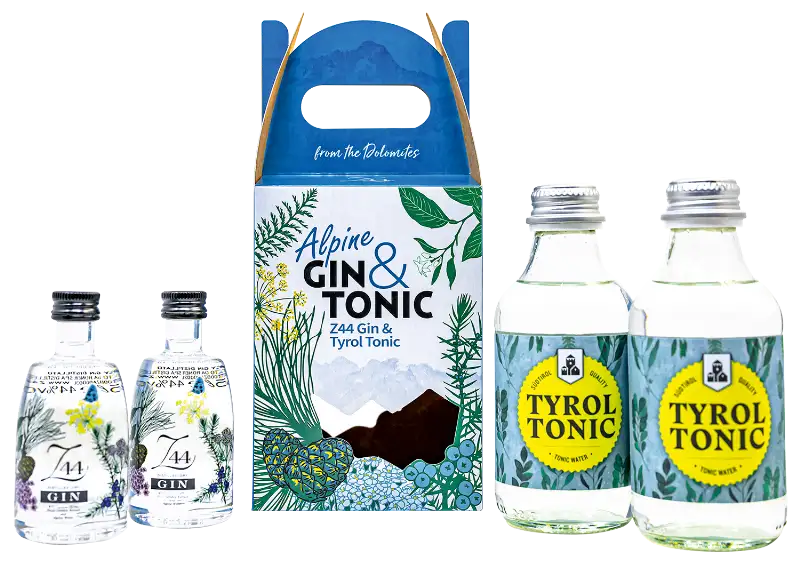
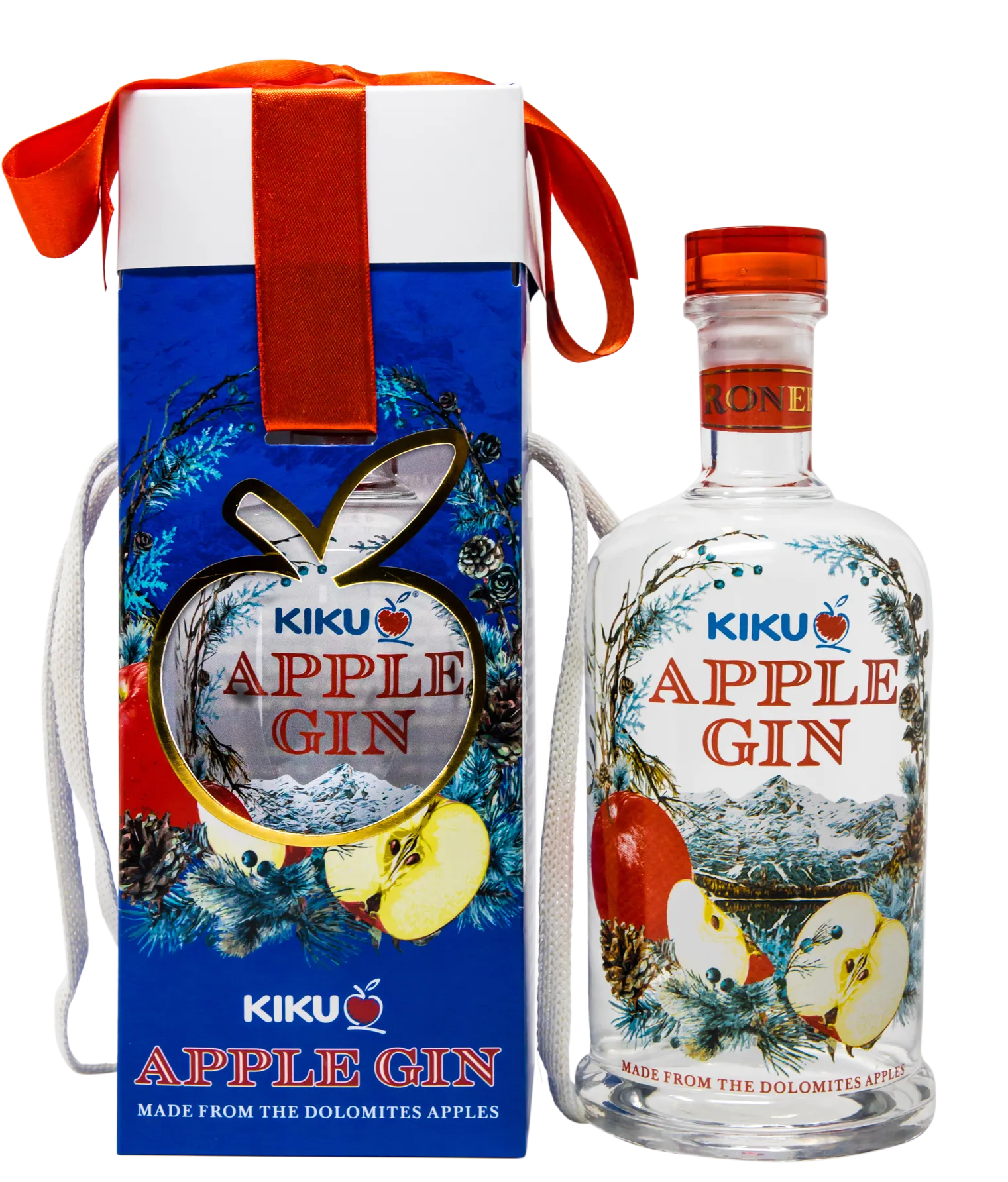
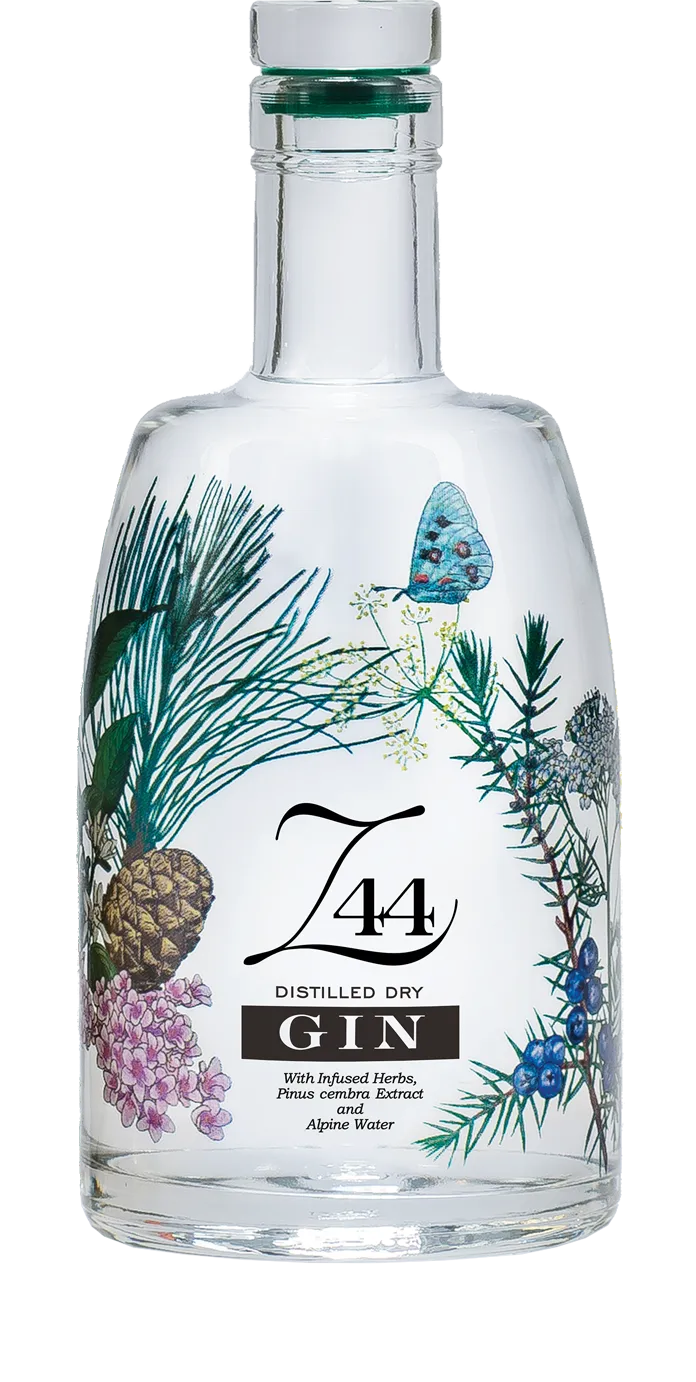
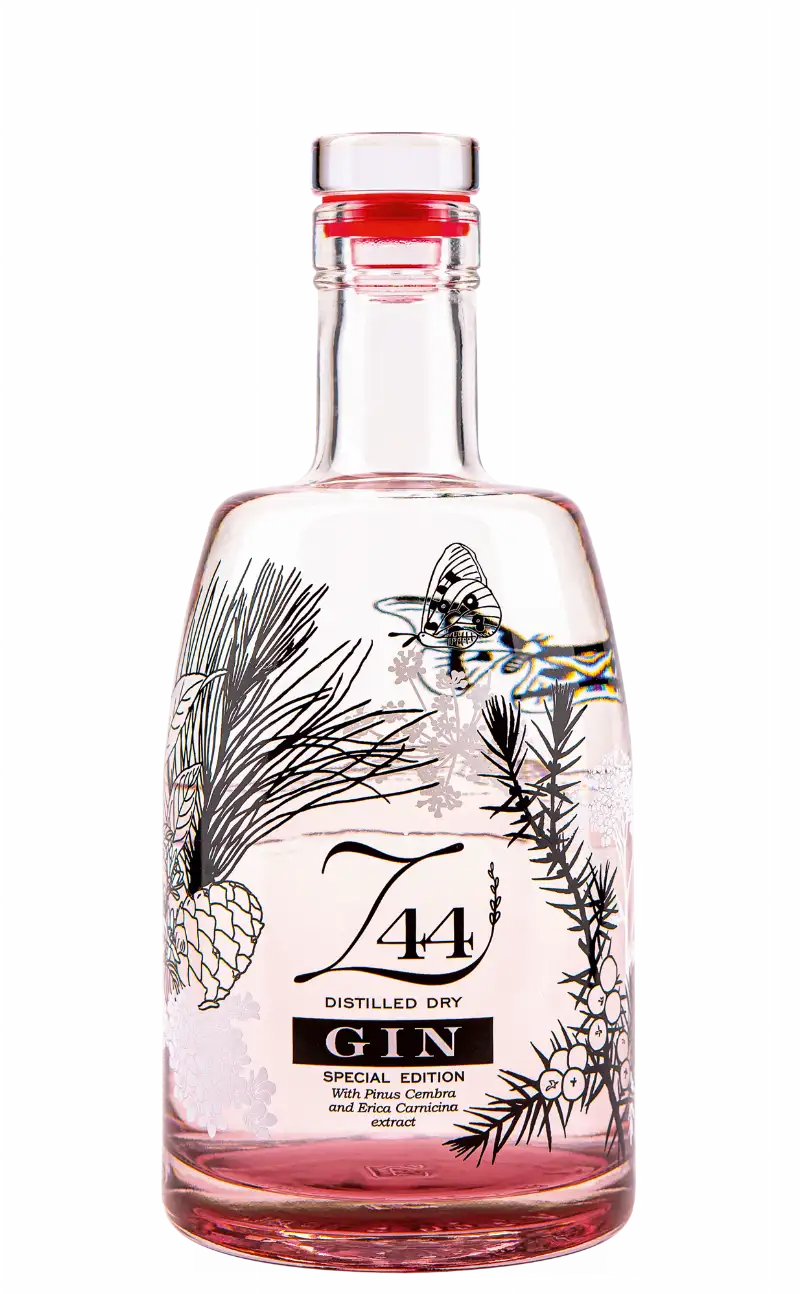
The renowned Z44 Distilled Dry Gin embodies alpine excellence through Swiss pine cones, while KIKU Apple Gin expresses surprising fruity and floral freshness with a unique balance of botanicals and local ingredients.
Conclusion
Botanicals are the beating heart of gin: without them, gin would lack character, depth, and identity. Exploring the world of gin botanicals means discovering centuries-old traditions, innovative techniques, and the deep bond between nature, family, and flavor.
Roner interprets this philosophy with passion and mastery, transforming distinctive botanicals into gins that celebrate alpine terroir and Italian creativity.
Whether you are an enthusiast, a bartender, or simply curious, Roner gins offer an authentic and unforgettable aromatic journey.
Discover them. Taste them. Experience them.
In the glass… and in the scents of nature.
The unique flavors and aromas of botanical gins are the result of a long family tradition passed down through generations, enriching every distillate with authenticity and memory.